The 5-Minute Habit That Fills Your Mailbox With Free Stuff
How a simple daily routine can unlock product samples, promotional items, and legitimate freebies delivered straight to your door.
The idea of receiving free products in the mail might sound like a nostalgic throwback to the days of cereal box prizes and magazine inserts, but the practice of obtaining legitimate freebies has evolved into a sophisticated ecosystem that rewards those willing to invest just five minutes of their day. This simple five-minute habit of seeking out free samples and promotional offers has become a daily routine for millions of consumers who regularly receive everything from beauty products and snacks to household items and pet supplies without spending a dime. The key lies in understanding where to look, how to participate safely, and why companies are eager to send their products directly to potential customers at no cost.
Why Companies Give Away Free Product Samples
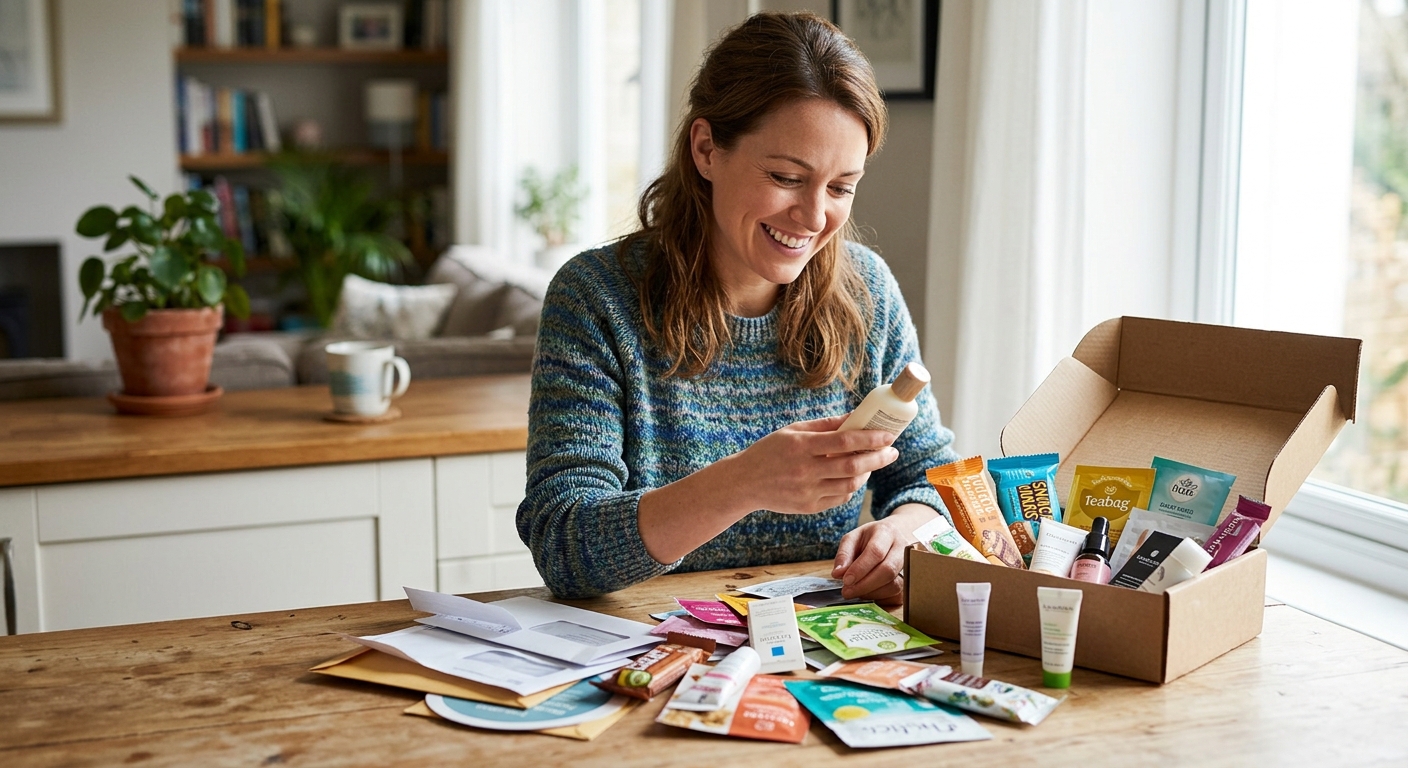
The practice of distributing free samples dates back more than a century, but the modern approach represents a calculated marketing strategy that benefits both businesses and consumers. Companies recognize that product sampling creates direct consumer engagement and generates brand awareness in ways that traditional advertising cannot replicate. When a potential customer physically handles, uses, or consumes a product, the likelihood of future purchase increases significantly compared to simply viewing an advertisement.
Major consumer packaged goods companies allocate substantial portions of their marketing budgets to sampling programs. Procter & Gamble, Unilever, and numerous other multinational corporations maintain dedicated sampling divisions that coordinate the distribution of millions of product samples annually. These programs serve multiple purposes including introducing new products to market, gathering consumer feedback, and building brand loyalty among first-time users.
Legitimate Freebie Websites and Sample Programs
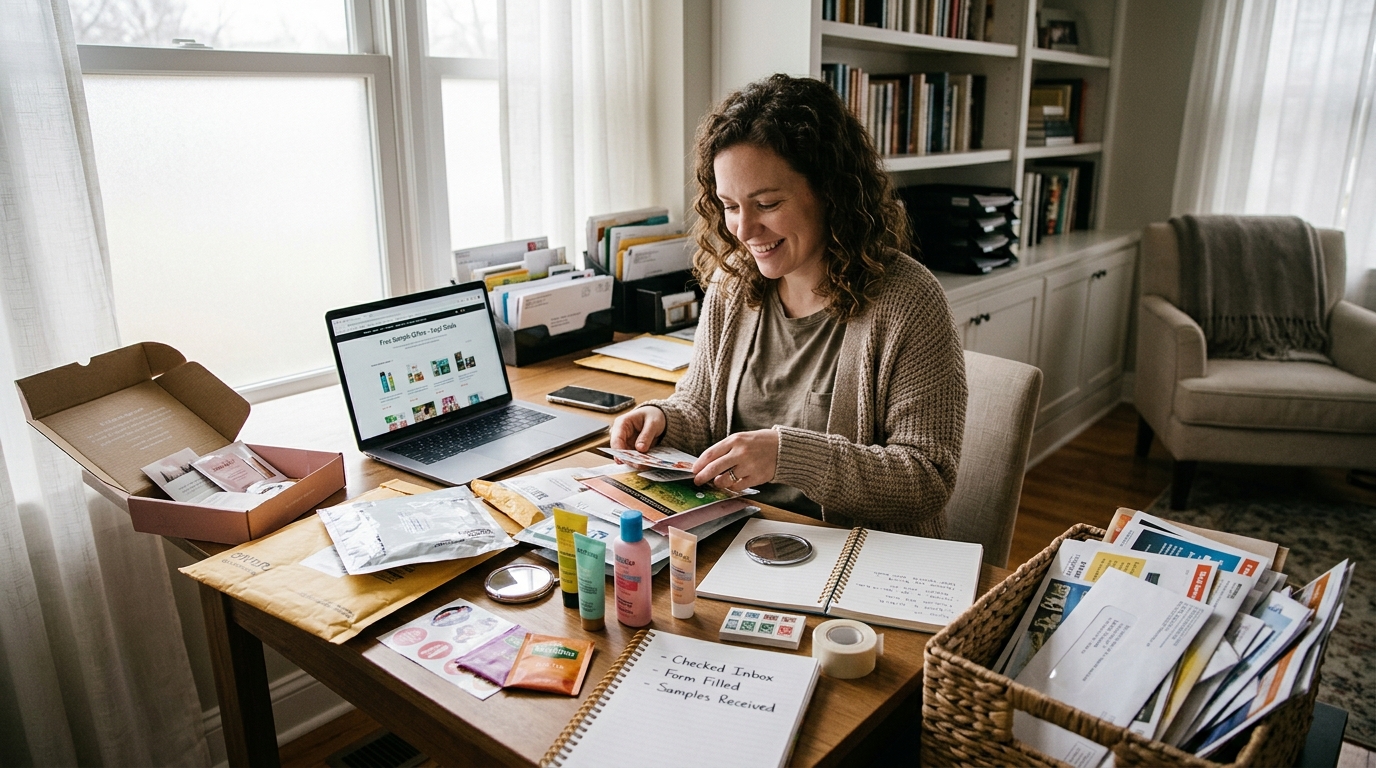
The digital age has consolidated free sample opportunities into accessible platforms that aggregate offers from multiple companies. Websites such as PINCHme, SampleSource, and Influenster operate as intermediaries between brands and consumers, offering curated boxes of sample-sized products to registered members. These platforms typically require users to complete profile questionnaires that help match them with relevant products based on demographics, interests, and purchasing habits.
Brand-specific sampling programs offer another reliable avenue for obtaining free products. Companies including Sephora, Target, and Amazon maintain their own sample distribution programs tied to loyalty memberships or promotional campaigns. Sephora’s Beauty Insider program, for instance, allows members to select free samples with purchases and occasionally offers standalone sample sets to higher-tier members.
Social media platforms have also become significant channels for free sample distribution. Brands frequently use Facebook, Instagram, and TikTok to announce limited-time giveaways and sampling opportunities as part of product launch campaigns. Following brand accounts and enabling notifications can provide early access to these time-sensitive offers.
Building Your Daily Five-Minute Freebie Routine
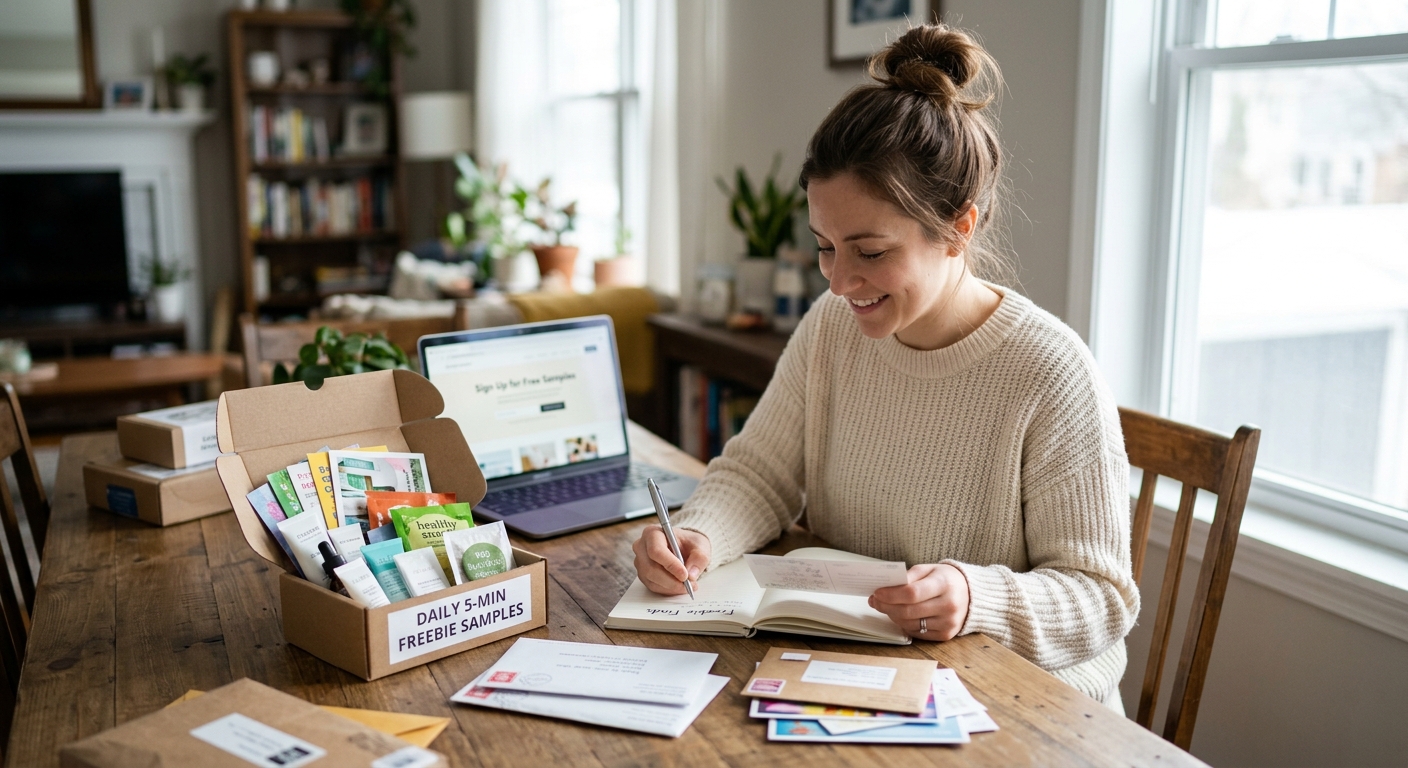
The most successful freebie seekers approach sample hunting with consistency rather than intensity. Dedicating five minutes each day to checking a handful of reliable sources produces better results than sporadic hour-long sessions. This approach works because many sample offers have limited quantities and are distributed on a first-come, first-served basis. Regular checking increases the likelihood of catching these offers before supplies are exhausted.
A practical daily routine might involve checking two or three favorite freebie aggregation websites, scanning email newsletters from brands you follow, and briefly reviewing social media accounts dedicated to sharing sample opportunities. Communities on Reddit, particularly the subreddit dedicated to freebies, aggregate user-submitted opportunities and can serve as efficient resources for discovering new offers quickly.
Creating a dedicated email address specifically for freebie sign-ups helps manage the increased volume of promotional messages that accompanies active participation in sampling programs. This separation keeps personal inboxes organized while ensuring that sample confirmations and brand communications remain easily accessible.
Free sample opportunities generally fall into several categories: direct mail samples where products ship to your home, in-store samples available at retail locations, digital samples such as software trials or e-books, and rebate offers that refund the full purchase price of products bought at retail. Each type requires different levels of effort and offers varying degrees of value.
Protecting Your Privacy When Requesting Free Samples
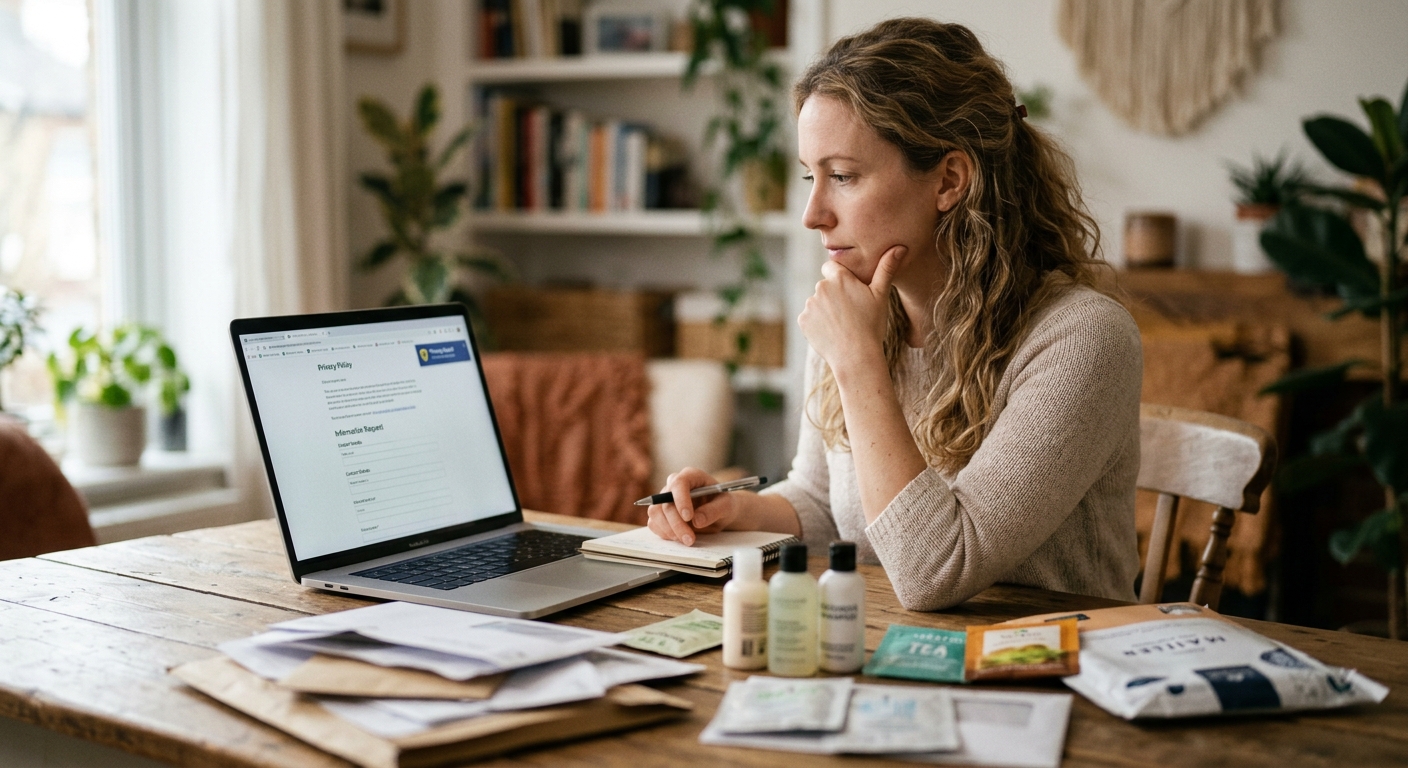
While legitimate sampling programs exist in abundance, the freebie landscape also contains scams designed to harvest personal information. Distinguishing between authentic opportunities and fraudulent schemes requires attention to several warning signs. Legitimate sample offers never require credit card information, social security numbers, or payment of any kind. Requests for such information indicate fraudulent operations regardless of how professional the website appears.
Reputable sampling programs typically require only basic contact information including name, mailing address, and email. Some may ask demographic questions to better match consumers with relevant products. However, extensive questionnaires requesting sensitive financial or medical information exceed the bounds of legitimate marketing research and should prompt immediate skepticism.
Using established platforms with verifiable track records reduces exposure to fraudulent schemes. Researching unfamiliar websites through consumer review platforms and checking for secure connection indicators in browser address bars provides additional layers of protection. When in doubt, searching for company names alongside terms like “scam” or “reviews” often reveals whether others have encountered problems.
Strategies for Receiving More Mail-Order Freebies

Consistency and completeness in profile information directly impact the quantity and relevance of samples received. Sampling platforms use demographic data to match products with appropriate consumers, so thorough profile completion increases selection for targeted campaigns. Updating profiles when circumstances change, such as the arrival of a new pet or baby, opens access to entirely new categories of products.
Providing thoughtful feedback when requested enhances standing with sampling platforms that track engagement metrics. Many programs prioritize active participants who complete post-sample surveys and share honest opinions about products received. This feedback loop benefits both parties as brands gain valuable consumer insights while engaged participants receive preferential consideration for future samples.
Timing also influences success rates. Many brands launch sampling campaigns alongside new product releases, often coinciding with seasonal transitions or major shopping periods. Increased attention to freebie sources during spring cleaning season, back-to-school periods, and pre-holiday months often yields higher quantities of available samples.
Transforming a Simple Habit Into Ongoing Rewards
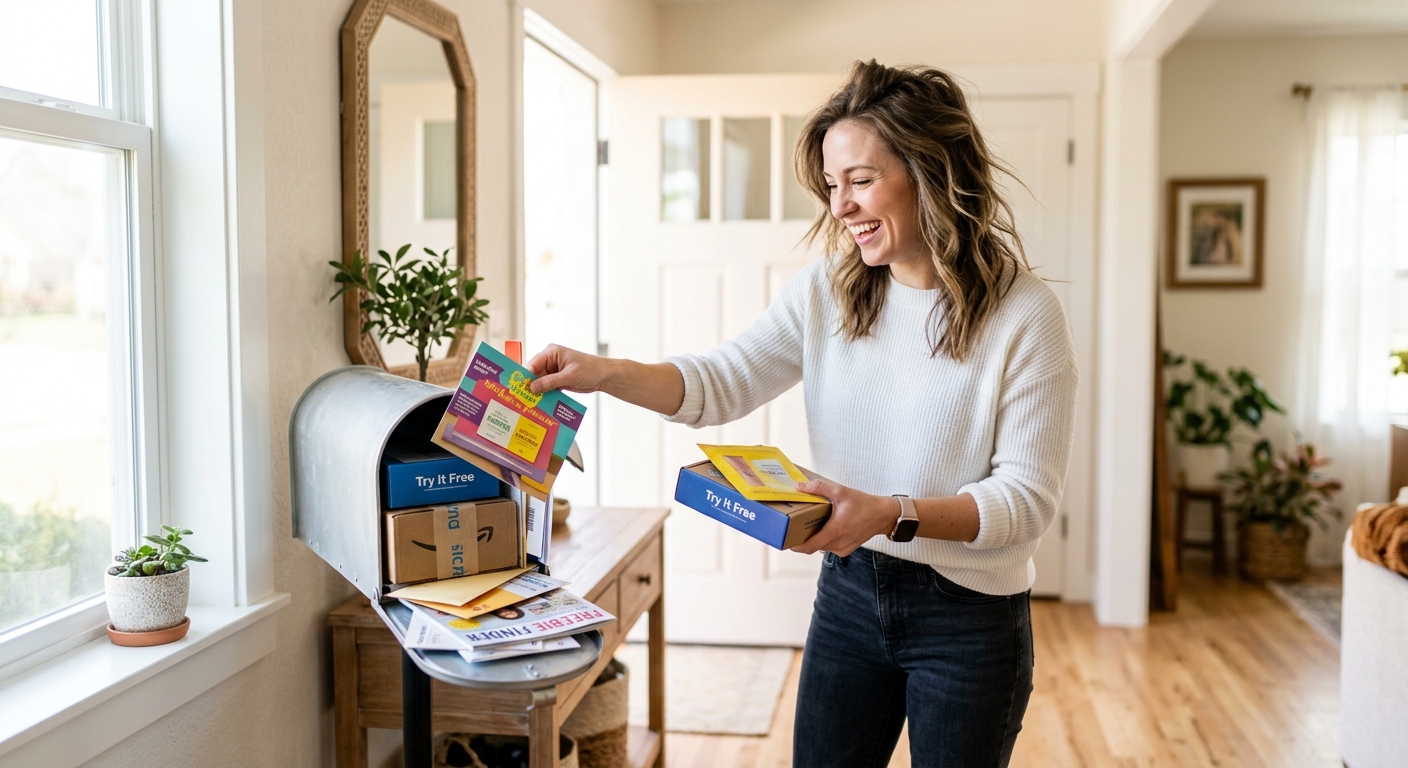
What begins as a brief daily ritual of checking a few websites can evolve into a steady stream of products arriving at your doorstep, from trial-sized toiletries to full-sized household items. The five-minute habit of seeking free samples represents a modest investment of time that compounds over weeks and months into tangible savings and the genuine pleasure of discovering new products without financial risk. For those willing to maintain consistency and exercise appropriate caution regarding personal information, the modern landscape of product sampling offers accessible rewards that transform ordinary mailbox checks into small moments of anticipation and discovery.
Leave a Reply