

How Free Samples Actually Make Companies Money (And Why That’s Good for You)
Understanding the psychology and economics behind product sampling reveals a marketing strategy that genuinely benefits both businesses and consumers.
Free samples have been a cornerstone of marketing strategy for well over a century, yet many consumers remain curious about how giving away products for free actually generates profit. The answer lies in a sophisticated understanding of consumer psychology, brand loyalty dynamics, and long-term customer acquisition costs. When companies distribute free samples, they are making a calculated investment rather than simply absorbing a loss, and this practice creates genuine value for consumers who receive quality products without initial financial commitment.
Customer Acquisition and Lifetime Value Calculations
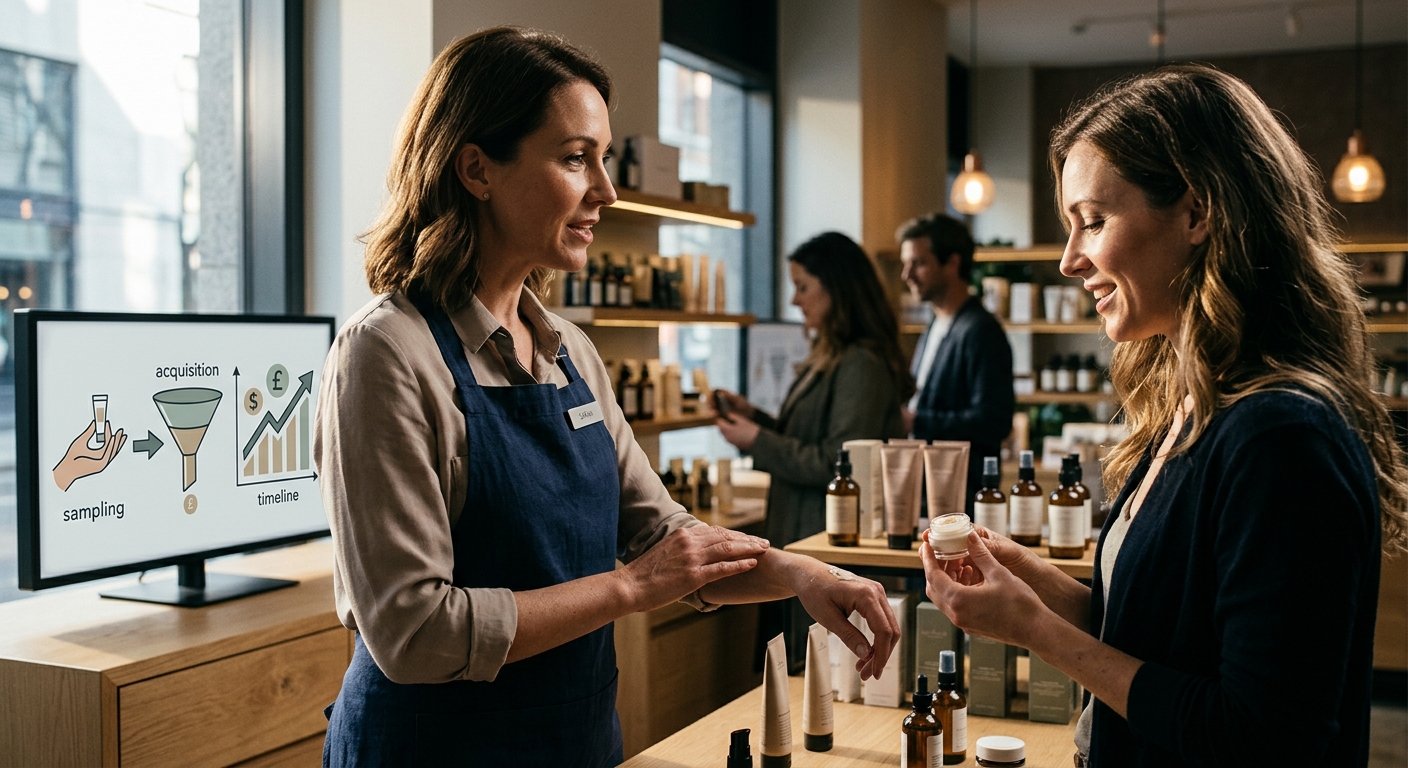
Companies that invest in free sample programs operate on a fundamental principle of marketing economics known as customer lifetime value. Rather than viewing the cost of a sample as an expense, businesses treat it as an investment in acquiring a customer who may purchase products repeatedly over months or years. The initial cost of producing and distributing a sample is typically far lower than traditional advertising costs required to achieve the same level of product trial and consideration.
Major consumer goods companies allocate significant portions of their marketing budgets to sampling programs because the data consistently demonstrates strong return on investment. When a consumer tries a product firsthand, the conversion rate to purchase significantly exceeds that of consumers who only see advertisements. This direct experience removes the uncertainty barrier that often prevents consumers from switching brands or trying new product categories altogether.
The cost of acquiring a customer through sampling is often lower than through traditional advertising, while the conversion rate from trial to purchase tends to be substantially higher due to direct product experience.
The Reciprocity Effect and Consumer Behavior Psychology
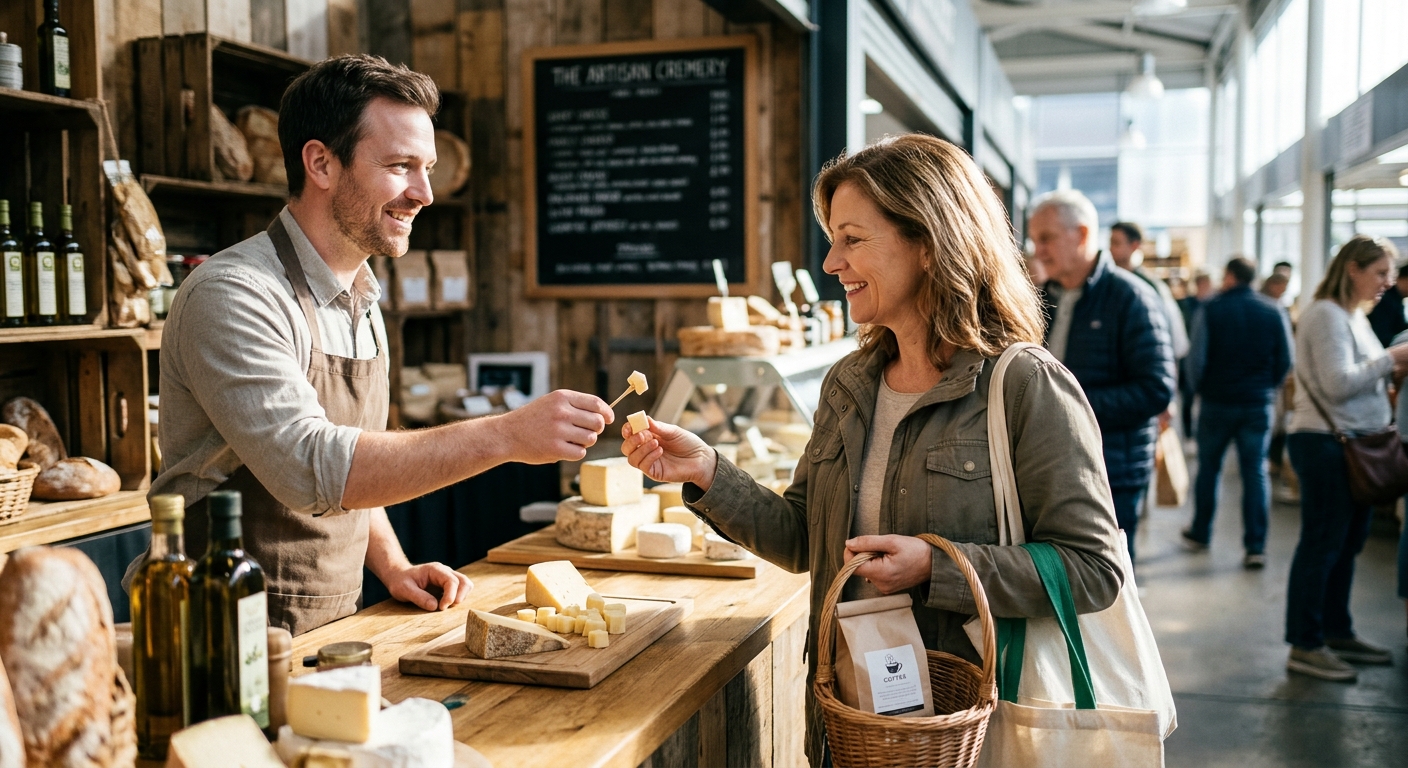
Social psychologists have extensively documented the principle of reciprocity, which plays a significant role in why free samples drive purchasing behavior. When someone receives something of value, there is a natural psychological inclination to reciprocate. This does not mean consumers feel obligated to purchase, but rather that receiving a sample creates a positive association with the brand and removes the psychological distance between the consumer and the product.
Additionally, free samples reduce what behavioral economists call loss aversion. Consumers are naturally hesitant to spend money on products they have never tried because of the risk of dissatisfaction. By eliminating this risk through sampling, companies remove a significant barrier to trial. The consumer gains firsthand knowledge of product quality, texture, taste, or effectiveness without any financial downside, which fundamentally changes their purchasing calculus when they encounter the product in retail environments.
Consumers can evaluate products without financial commitment
Direct experience creates confidence in brand quality
Receiving gifts creates favorable brand perception
How Different Product Categories Utilize Sampling Strategies
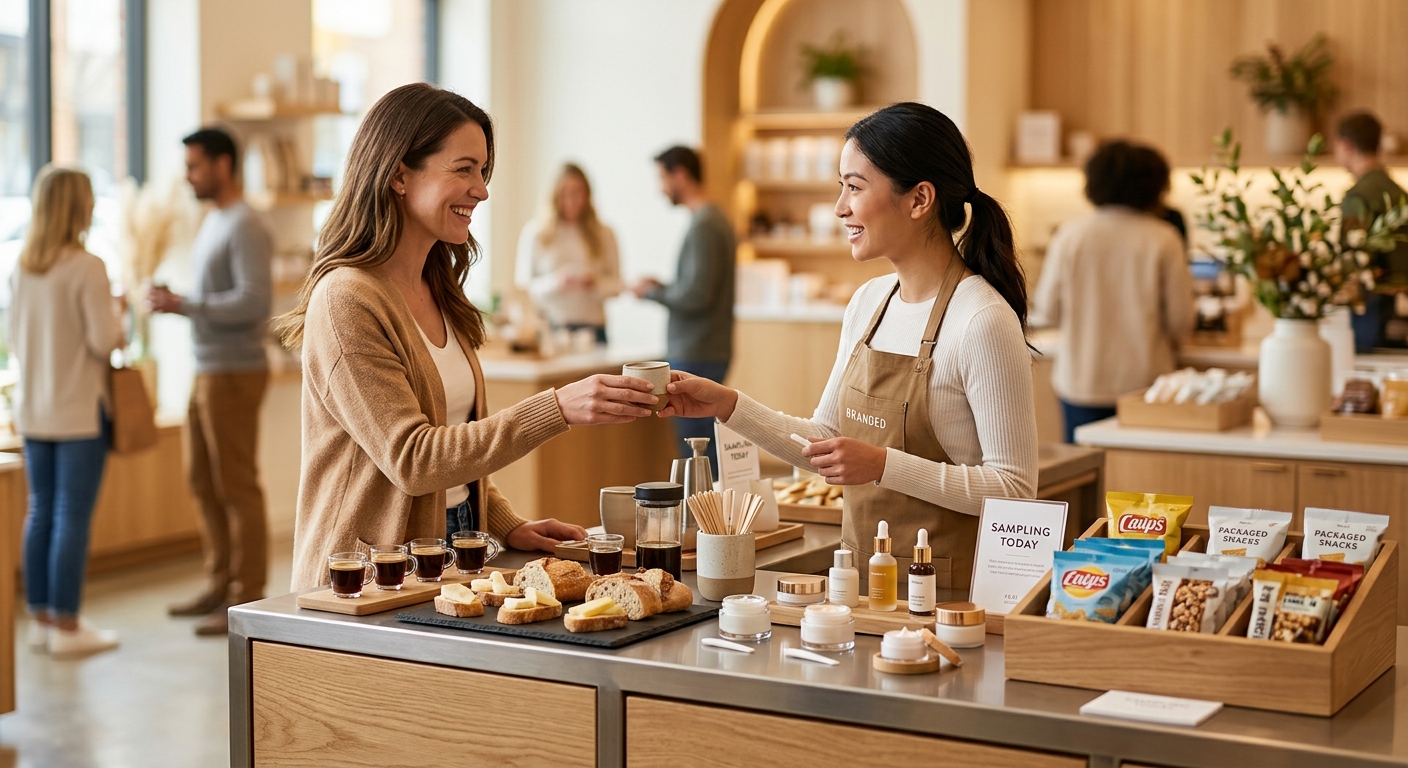
The food and beverage industry has long been one of the most prolific users of sampling, with grocery stores and warehouse clubs regularly offering product demonstrations. These in-store sampling programs allow companies to reach consumers at the precise moment of purchase decision-making. When a shopper tastes a product they enjoy while standing near the retail shelf, the path to purchase becomes remarkably short and direct.
The beauty and personal care industry has similarly embraced sampling as a core strategy. Cosmetics companies frequently distribute sample sizes through magazine inserts, retail partnerships, and subscription boxes. Given that consumers often hesitate to invest in full-sized beauty products without knowing how they will perform on their specific skin type or complexion, samples provide essential information that drives confident purchasing. Pharmaceutical and healthcare companies also utilize sampling through healthcare provider offices, allowing patients to try medications or supplements before committing to prescriptions or purchases.
Why Free Sampling Creates Genuine Value for Shoppers

While companies certainly benefit from sampling programs, consumers gain substantial advantages as well. The most obvious benefit is the opportunity to try products without spending money, but the value extends beyond simple cost savings. Samples allow consumers to make more informed purchasing decisions, reducing the likelihood of buying products that do not meet their needs or preferences. This means fewer wasted purchases and greater satisfaction with the products consumers ultimately choose to buy.
Sampling also democratizes access to premium products that consumers might not otherwise consider due to price concerns. When a company distributes samples of a higher-end product, consumers across income levels can experience quality they might not have discovered independently. This exposure can lead to consumers trading up to better products or discovering new categories entirely. Furthermore, competitive sampling benefits consumers by putting pressure on brands to maintain quality, knowing that consumers can easily compare alternatives through readily available samples.
The sampling industry has evolved significantly with the rise of digital marketing and subscription box services, creating new channels for product discovery that complement traditional in-store demonstrations and direct mail campaigns.
Targeting and Distribution in Modern Sample Marketing
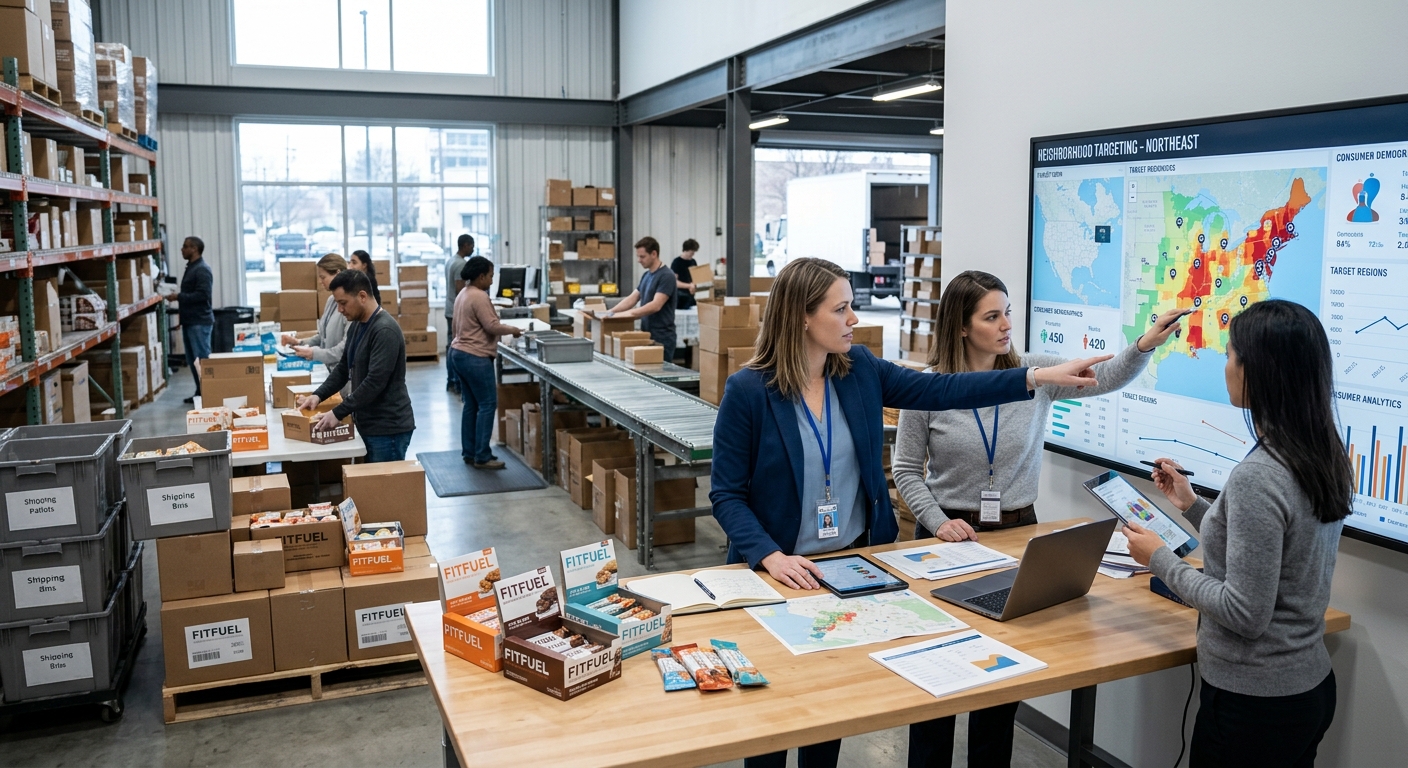
Contemporary sampling programs have become increasingly sophisticated in their targeting capabilities. Rather than distributing samples indiscriminately, companies now use data analytics to identify consumers most likely to convert to paying customers. This targeting benefits consumers by ensuring they receive samples relevant to their actual needs and preferences, rather than products with no applicability to their lifestyle or circumstances.
Digital sampling programs have expanded the reach and efficiency of product trial initiatives. Companies can now offer samples through social media campaigns, email marketing, and dedicated sampling platforms that match consumers with products based on their profiles and preferences. This evolution has made sampling programs more cost-effective for companies while simultaneously improving the consumer experience by reducing irrelevant offers and increasing the likelihood that samples received will genuinely interest the recipient.
Free sampling represents one of the rare marketing strategies where business interests and consumer interests genuinely align. Companies gain cost-effective customer acquisition, while consumers receive risk-free product trials that lead to more informed purchasing decisions.
The Mutual Benefits of the Sampling Economy
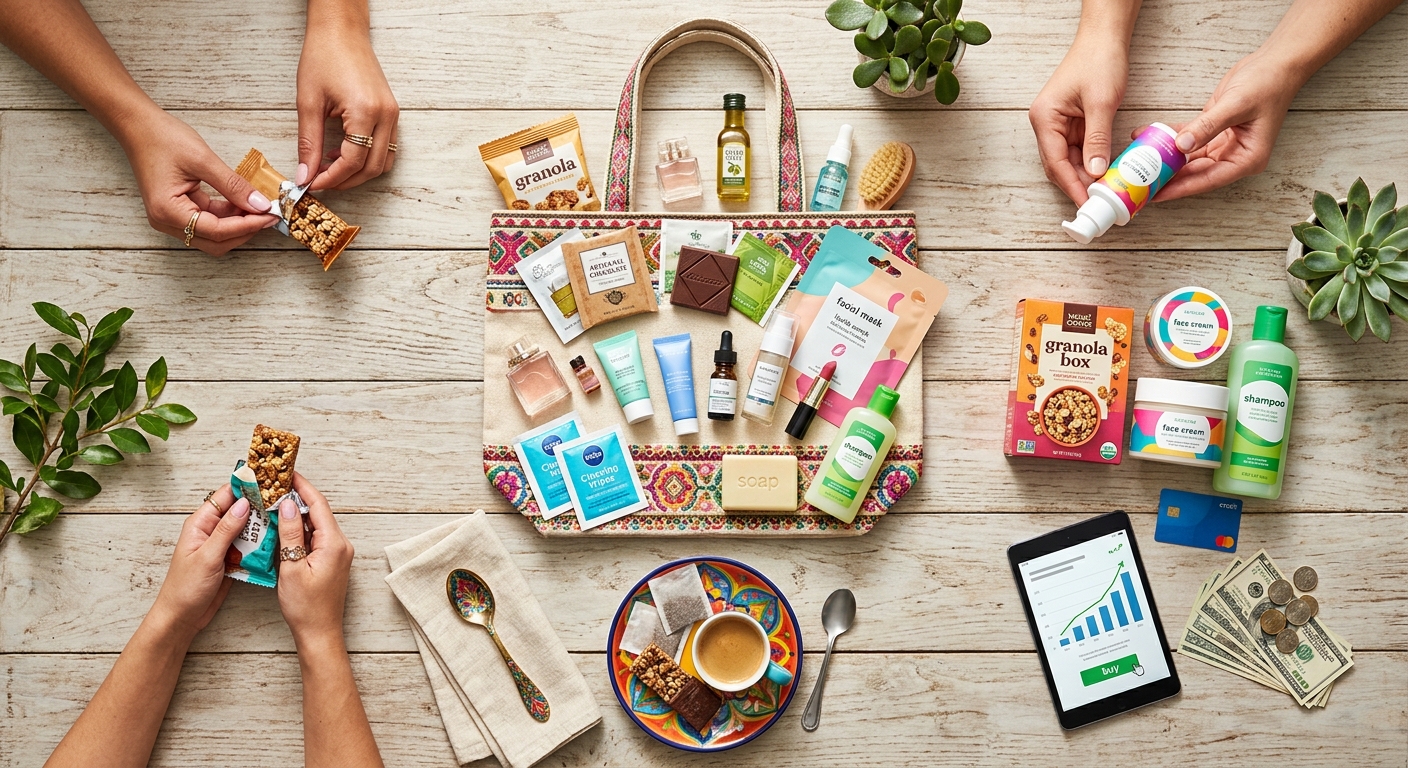
The economics of free samples reveal a marketing practice that succeeds precisely because it creates real value for consumers, not despite this fact. When companies invest in allowing potential customers to experience their products firsthand, they demonstrate confidence in their offerings while respecting consumer autonomy in making purchasing decisions. This transparency and willingness to let products speak for themselves ultimately strengthens the marketplace by rewarding quality and innovation, ensuring that the free sample you receive today represents both a genuine gift and a smart business investment that benefits everyone involved in the exchange.
Leave a Reply